Home-Like Comfort: Why Smaller Sized Assisted Living Is Best for Memory Care
Business Name: BeeHive Homes of Maple Grove
Address: 14901 Weaver Lake Rd, Maple Grove, MN 55311
Phone: (763) 310-8111
BeeHive Homes of Maple Grove
BeeHive Homes at Maple Grove is not a facility, it is a HOME where friends and family are welcome anytime! We are locally owned and operated, with a leadership team that has been serving older adults for over two decades. Our mission is to provide individualized care and attention to each of the seniors for whom we are entrusted to care. What sets us apart: care team members selected based on their passion to promote wellness, choice and safety; our dedication to know each resident on a personal level; specialized design that caters to people living with dementia. Caring for those with memory loss is ALL we do.
14901 Weaver Lake Rd, Maple Grove, MN 55311
Business Hours
Families rarely begin their search for memory care with layout and staffing ratios. They start with a sensation: worry, regret, fatigue, and the unpleasant worry that no neighborhood will ever take care of their loved one the method household does.
After twenty years operating in senior care, much of it concentrated on dementia care and assisted living, I have viewed that worry soften when households stroll into a smaller, home-like setting. They discover personnel greeting locals by name without glancing at a chart. They hear a real cooking area timer, not a distant overhead page. They see a resident helping respite care fold towels at the dining table, not drifting alone in a corridor.
The physical space matters, but the scale matters more. Smaller assisted living and memory care environments usually make it much easier to provide the sort of care that individuals with dementia actually require: familiar, calm, relational, and flexible.
This is not a universal guideline. Large communities can work well for particular seniors, and small homes can be improperly run. However when we focus particularly on memory care and dementia care, the benefits of a smaller sized, home-like setting are striking.
What "smaller sized" actually indicates in memory care
Families often ask: "What counts as little?" There is no magic number, and state guidelines differ, however in practice you see 3 broad models.
Traditional assisted living communities often have 60 to 150 locals, with a different safe wing or floor for memory care. Those memory care systems might house 20 to 40 individuals in a self consisted of space.
Small assisted living or residential care homes usually serve 6 to 16 citizens in a home that feels and look like a single family home or a very small lodge. Personnel exist around the clock, however the day-to-day rhythm leans closer to ordinary home life than to a medical facility.
Boutique memory care neighborhoods sit in between these 2 worlds. They might have 30 to 60 citizens, but organized into numerous smaller sized "households" of 8 to 12 individuals each, with dedicated staff and shared living areas.
For this discussion, "smaller sized" implies either real residential homes or family design memory care where every day life plays out on a scale you may recognize from your own home: one cooking area, one dining room, a den, a backyard, and a staff team that understands precisely who remains in your home at any given time.
Why size and scale matter a lot in dementia care
Dementia reshapes how a person takes in the world. Sound feels louder. Choices feel more complicated. Strangers feel more threatening. The individual might not remember your name, however they sense whether you feel hurried or unwinded, kind or annoyed.
In that context, the scale of the environment is not a design choice. It is a medical factor.
In smaller settings, personnel can rely more on observation and relationship than on formal paperwork. I consider one resident, a previous teacher with moderate Alzheimer's, who could no longer tell you she was worn out or anxious. In a 10 resident home, personnel observed that she constantly started pacing about 20 minutes before lunch. They explored: a little snack and five quiet minutes on the deck cut the pacing in half. No special program, no new medication, just consistent personnel who could see patterns since the environment was manageable.
In a larger unit with 30 locals, that sort of detail is much harder to capture. Personnel may do their finest, however they are covering more people topped more area, handling more tasks that are not genuinely about direct care.
For people with dementia, little scale brings three important benefits: predictability, acknowledgment, and simpler choices.
Predictability: regimens that really hold
Most memory care neighborhoods discuss regimen. Yet routine does not merely suggest serving meals at standard hours. It also means predictable faces, voices, smells, and activity levels.
In a little assisted living home, the early morning might unfold with the same 2 or three staff members assisting everyone wake, dress, and start the day. The smell of coffee and toast fills the entire house. Locals see each other moving around the typical areas. Even if they can not describe the routine, they feel its rhythm.
In a big neighborhood, every day life involves more transitions. Morning staff may work one hallway, then move to another. House cleaning, dining services, activities staff, medication aides, and nurses move in and out. The resident's door may open for 5 or six different individuals before lunch. For a healthy adult, that is normal. For someone with dementia, it can be disorienting.
Consistent regimen in a small area does not simply feel much better. It reduces confusion, wandering, and behavioral expressions like agitation or repetitive questioning, all of which can spiral into preventable hospitalization or early nursing home placement.
Recognition: relationships rather of surveillance
Good dementia care is not about clever security functions, it has to do with people noticing early indications of trouble.
In a little home, staff quickly find out each resident's natural standard. They understand who hums while they eat, who constantly presses peas to the side of the plate, who prefers 2 cups of coffee. When something shifts, even a little, it is obvious.
I recall a peaceful gentleman with vascular dementia who resided in a 12 bed home. One morning, the overnight caregiver pointed out that he had not finished his usual late night snack and seemed slower on his feet at 6 a.m. By 9 a.m., the day personnel and the nurse had actually looked at him twice. Because everybody knew that this was uncommon for him, they called his doctor and captured a urinary system infection early, before it set off significant delirium.
Had he been one of thirty locals, covered by two or three personnel across a larger flooring, that subtle modification might have gone undetected for a day or more. The outcome would likely have been a journey to the healthcare facility, potentially a fall, and a high decline.
Smaller settings do not remove danger, however they make it much easier to practice proactive, relationship based senior care.
Simpler options, less cognitive overload
Imagine being dropped in the middle of a hotel lobby with three dining establishment choices, elevators in two directions, individuals passing through, and music playing. If you are healthy, you can filter the sound, scan the indications, and make a choice. If you have dementia, that same environment can feel like chaos.
In a little assisted living home, there is typically just one main living room, one dining area, and a small number of bedrooms along one or two brief hallways. It is extremely hard to get really lost. Locals do not have to parse choices at every step.
This matters not just for security however for self-respect. When you streamline the environment, you provide the person more functional independence. They can discover the bathroom without help, stroll to the table without hints, and navigate to the porch by themselves. Autonomy in small minutes protects identity, particularly as dementia advances.
Why home-like comfort is more than décor
Families often over concentrate on appearance. They fall for a memory care unit that has a stunning lobby, high ceilings, and collaborated furnishings, then feel uneasy in a smaller house with older cabinets and an easy backyard.
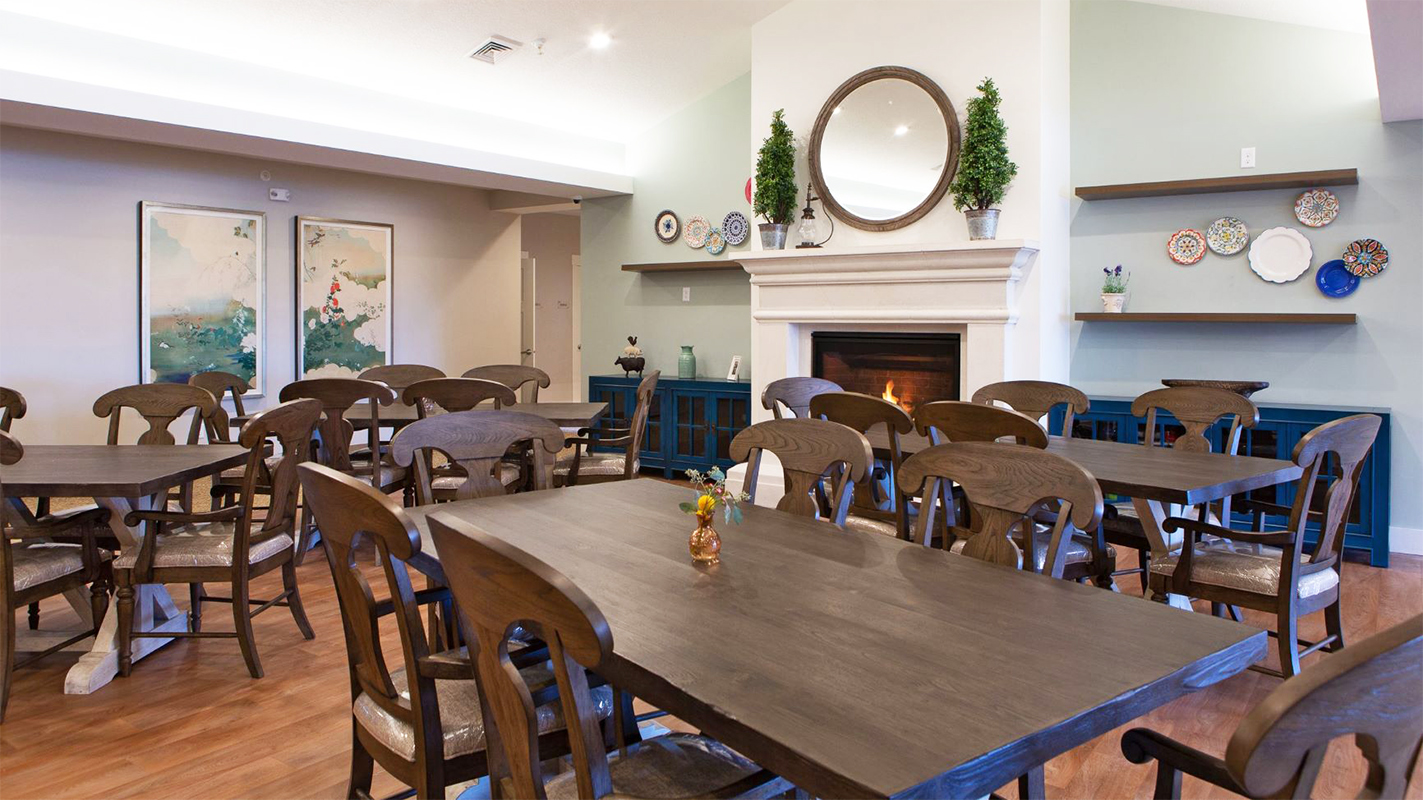
A home-like environment is not about designer surfaces. It is about sensory hints that match long-lasting experience: a real front door, a cooking area at the heart of the space, a dining table that feels like it might host a household meal, a sofa where you can put up your feet without feeling you have broken a rule.
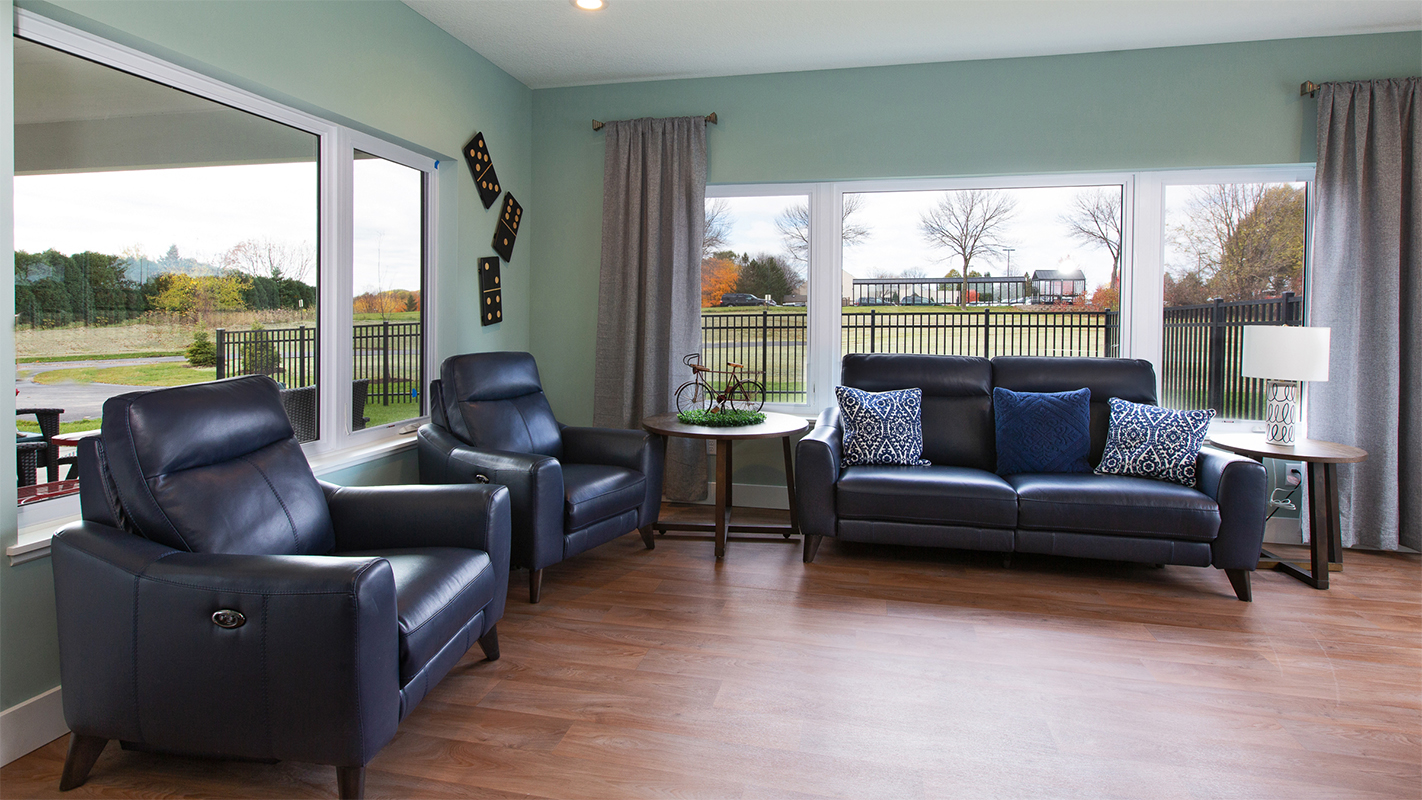
People with dementia keep psychological memory far longer than factual memory. They may not remember what they had for breakfast, but they remember what "home" seems like. When the environment sends home-like signals, you see subtle shifts: shoulders relax, discussion comes more quickly, and resistance to standard care often softens.
The most reliable little memory care homes I have dealt with share a few components:
- A central cooking area that locals can see, smell, and sometimes safely participate in. Hearing dishes clink and smelling food cooking helps orient time of day.
- Personal products and familiar mess put thoughtfully, not removed away for a "hotel" appearance. A stack of folded towels on a chair can welcome a previous housewife to assist in such a way that feels natural.
- Flexible seating areas where 2 or 3 individuals can talk, not simply one big activity area. People with dementia frequently do much better in little clusters than in big groups.
- Access to the outdoors that feels safe but not jail like. A fenced garden or outdoor patio with comfy chairs motivates natural motion and sunshine exposure.
These functions can exist in bigger communities too, however they end up being more potent in smaller numbers, where each person genuinely occupies the space rather than visiting a shared facility.
Staffing: the covert power of smaller sized teams
Families normally inquire about staffing ratios early. Numbers matter, however in memory care, how personnel are released matters more than simple math.
In large assisted living and memory care communities, staff roles tend to be more segmented. One group handles personal care, another does activities, another concentrates on house cleaning, another on medications. This can create performance and clear responsibility, however it also motivates a task oriented culture.
In a small assisted living home, caretakers use more than one hat. A caregiver may help with a shower at 8:30, run a small card game at 10:00, slice veggies alongside a resident before lunch, then sit outside with 2 homeowners in the afternoon. That does not imply they lack professional training; it suggests their work is integrated into the circulation of day-to-day life.
When a caregiver spends the entire day in the exact same shared space, with the very same group of homeowners, subtle changes are impossible to disregard. The relationship deepens in both instructions. Homeowners feel more comfortable expressing requirements. Personnel can customize care without a conference to "hand off" the plan.
The trade off is that small homes should employ wisely and support those personnel well. A single difficult character can have more effect in a 10 resident home than in a 60 resident building. Strong management, reasonable scheduling, regular training in dementia care, and appropriate back up for illness or emergency situations all become critical.
From a useful standpoint, numerous smaller sized homes keep staffing ratios that look comparable or somewhat much better than big neighborhoods, but the experience is various. Eight citizens with one caregiver and a med tech present in a single open space feels very different from 8 homeowners scattered throughout 2 wings with staff constantly pulled to respond to system broad alarms.
When larger neighborhoods still make sense
Smaller, home-like assisted living is not always the very best fit. Some seniors, even with early dementia, truly choose a larger environment with more features: fitness spaces, multiple dining places, a full calendar of occasions, and opportunities to communicate with a broad mix of people.
A retired executive utilized to travel and big groups may feel stifled in a 10 resident home. A couple where only one partner has cognitive problems might do much better in a bigger assisted living neighborhood that offers both standard assisted living and a protected memory care choice, so they can stay on the very same campus.
Medical requirements can also tilt the balance. Really complex physical care, ventilators, or heavy two individual transfers may press a person toward a competent nursing facility, despite memory care requirements. Some little homes deal with higher acuity extremely well, others do not. Families require to ask concrete concerns about what the home can and can not manage.
Location, expense, and accessibility likewise matter. In thick urban locations, residential design homes may be unusual or priced at a premium. Some families focus on proximity over setting, choosing a larger neighborhood five minutes from home instead of a best small home 45 minutes away. That choice can still be wise, due to the fact that family existence is itself a powerful type of care.
The key is acknowledging that "bigger" does not automatically equivalent "much better services" for dementia, which "smaller sized" does not automatically imply "less professional."
Respite care as a low risk trial
For families on the fence, respite care offers a beneficial happy medium. Respite care implies a brief stay, often 7 to 1 month, in an assisted living or memory care setting, with the very same services long term citizens receive.
In little memory care homes, respite stays enable both sides to learn. The household can observe whether their loved one settles more easily, eats much better, or engages more when they are in a calm, home-like environment. Personnel can see whether they can safely fulfill the person's requirements within the limits of the house.
One daughter I worked with was adamant that her mother needed a big neighborhood with numerous activity choices, since her mother had constantly been social. The very first positioning was a 40 resident memory unit. After three weeks, her mother was overwhelmed, not growing. We set up a two week respite stay in a 12 resident home. The distinction surprised everyone. With fewer options and quieter environments, her mother in fact got involved more, not less, in day-to-day life.
Respite care in a smaller setting does require planning. Space is limited, so there may be a waitlist. Rates can vary: some homes charge a daily respite rate that is a little higher than the standard month-to-month expense, to represent the short term nature of the stay. Insurance protection is patchy, so families normally pay of pocket.
Still, for numerous caregivers approaching burnout, even a short duration of respite care in a little, nurturing environment can be life altering. It gives them time to rest and recharge while testing whether that particular setting is the right long term fit.
What to look for when visiting smaller memory care homes
Families typically inform me they feel more unwinded the moment they stroll into a truly home-like assisted living or dementia care home, however they are not sure how to examine quality beyond that instinct.
Here are focused concerns and observations that assist:
- Watch how personnel connect in unguarded moments. Do they use homeowners' names, make eye contact, and speak at a calm pace, or do they sound rushed and task focused?
- Ask who cooks and where. If meals are provided from an offsite kitchen area or a main facility, the home may lose some of the sensory advantage of cooking smells and versatile mealtimes.
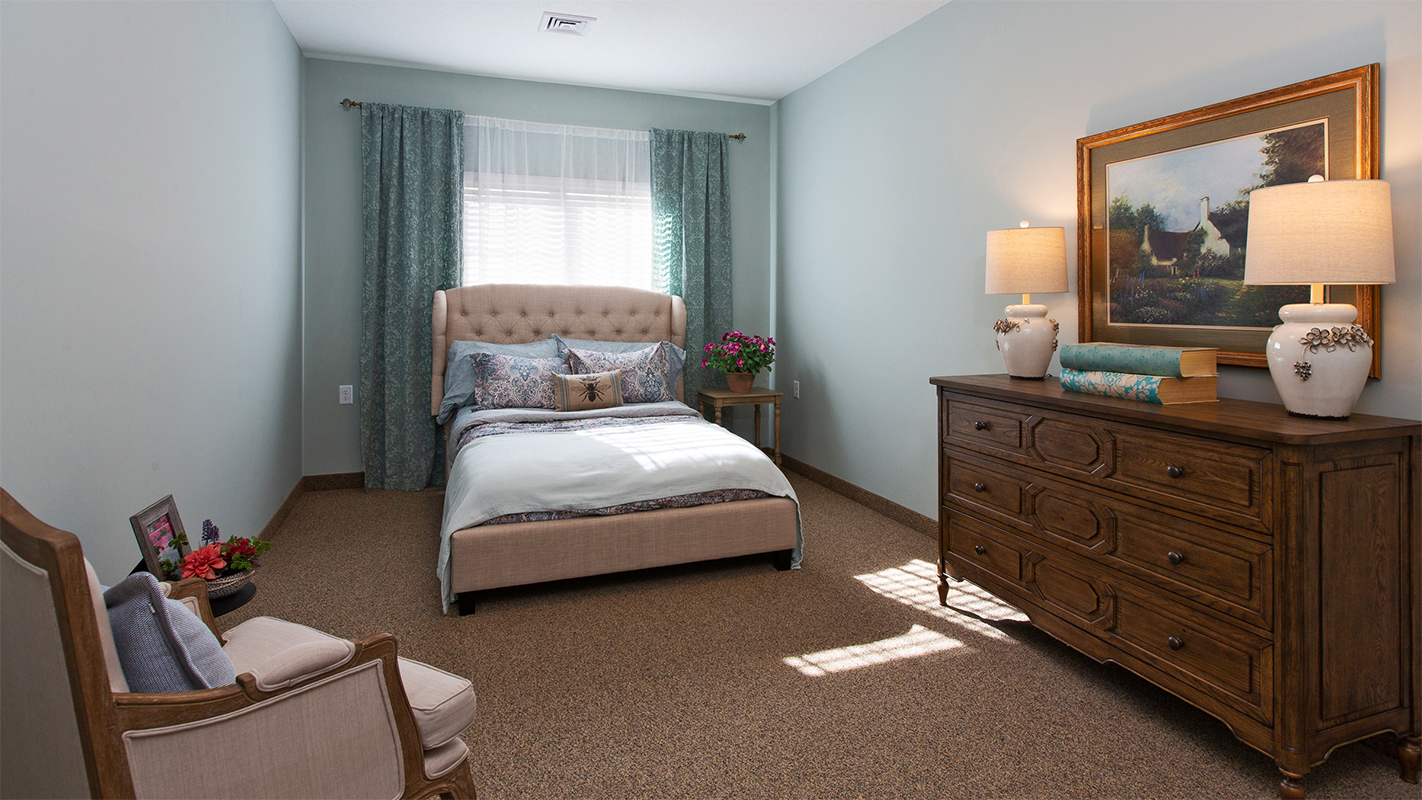
- Look at how individual the bedrooms feel. Are residents motivated to bring furniture, pictures, and familiar bedding, or does every room appearance staged and identical?
- Ask specific dementia care concerns. How do they deal with nighttime wandering? What is their approach to a resident who refuses a shower? Listen for individual centered answers rather than stringent rules.
- Find out how they handle medical modifications. Do they work carefully with visiting doctors, home health, or hospice services? How frequently do they send homeowners to the emergency room?
You do not require a medical background to sense whether the responses come from real experience or from a brochure. Staff who have actually operated in small, home-like settings for years will inform stories, not just policies. They will remember actual citizens and how they changed care plans over time.
The emotional influence on families
Families often ignore just how much environment impacts them, not simply their loved one. Large assisted living buildings can feel daunting to visit. Parking garages, reception desks, long corridors, check in kiosks, and a constant circulation of complete strangers can sap energy before you even reach the room.
In a smaller sized home, you usually park in a driveway or on the street, approach a front door, and step directly into the home. Over time, lots of families start to treat visits more like coming by a relative's home than entering a center. They may bring a bag of groceries to cook a favorite meal or sit with a group on the outdoor patio, instead of staging official "visiting hours."
This shift matters. Caregiver guilt seldom vanishes, but it softens when you can see and feel that your loved one belongs to a real family. Brother or sisters who used to argue constantly about care choices typically find it much easier to work together when the setting feels warm and transparent.
I have watched adult kids reach a point where they state, without rehearsed reason, "This feels like home for Dad." That statement carries huge weight. It typically appears when they see staff joking with their father, when they notice another resident sharing a routine with him, or when they walk in unannounced and discover him napping peacefully in a familiar chair.
Balancing heart and head in the final decision
Choosing memory care is both a logistical issue and a deeply individual decision. It involves senior care regulations, budgets, medical needs, geographic realities, and family dynamics.
Smaller, home-like assisted living and memory care neighborhoods tend to line up more naturally with what individuals with dementia actually need: constant relationships, a manageable sensory load, easy routines, and opportunities for real involvement in life. They support proactive, relational dementia care rather than reactive crisis management. They often make respite care more efficient by providing a gentle environment where both resident and caretaker can exhale.
Yet the "right" option is seldom best on every axis. The best small home might be just out of financial reach, or situated across town. The big neighborhood with an excellent track record might feel slightly institutional but provide unmatched medical support.
The most useful method is to weigh environment as a core aspect, not an afterthought. Ask not only, "Can they satisfy my mother's care needs?" However also, "Can she feel safe and understood in this area?" Photo her early morning routine there. Photo her on a tough day. Picture yourself walking through the door after work, seeing the space, smelling the air, hearing the sounds.
If your shoulders drop and your breath steadies when you picture that, you are most likely on the best track. For lots of households dealing with dementia, that sense of home-like comfort is discovered more quickly, and more reliably, in smaller sized assisted living settings developed around the scale of a genuine home.
BeeHive Homes of Maple Grove provides assisted living care
BeeHive Homes of Maple Grove provides memory care services
BeeHive Homes of Maple Grove is a memory care home for seniors
BeeHive Homes of Maple Grove provides respite care services
BeeHive Homes of Maple Grove offers 24-hour support from professional caregivers
BeeHive Homes of Maple Grove offers private bedrooms with private bathrooms
BeeHive Homes of Maple Grove provides medication monitoring and documentation
BeeHive Homes of Maple Grove serves dietitian-approved meals
BeeHive Homes of Maple Grove provides housekeeping services
BeeHive Homes of Maple Grove provides laundry services
BeeHive Homes of Maple Grove offers community dining and social engagement activities
BeeHive Homes of Maple Grove features life enrichment activities
BeeHive Homes of Maple Grove supports personal care assistance during meals and daily routines
BeeHive Homes of Maple Grove promotes frequent physical and mental exercise opportunities
BeeHive Homes of Maple Grove provides a home-like residential environment
BeeHive Homes of Maple Grove creates customized care plans as residents’ needs change
BeeHive Homes of Maple Grove assesses individual resident care needs
BeeHive Homes of Maple Grove accepts private pay and long-term care insurance
BeeHive Homes of Maple Grove assists qualified veterans with Aid and Attendance benefits
BeeHive Homes of Maple Grove encourages meaningful resident-to-staff relationships
BeeHive Homes of Maple Grove delivers compassionate, attentive senior care focused on dignity and comfort
BeeHive Homes of Maple Grove has a phone number of (763) 310-8111
BeeHive Homes of Maple Grove has an address of 14901 Weaver Lake Rd, Maple Grove, MN 55311
BeeHive Homes of Maple Grove has a website https://beehivehomes.com/locations/maple-grove/
BeeHive Homes of Maple Grove has Google Maps listing https://maps.app.goo.gl/n99VhHgdH879gqTH8
BeeHive Homes of Maple Grove has Facebook page https://www.facebook.com/BeeHiveMapleGrove
BeeHive Homes of Maple Grove won Top Memory Care Homes 2025
BeeHive Homes of Maple Grove earned Best Customer Service Award 2024
BeeHive Homes of Maple Grove placed 1st for Senior Living Memory Care Communities 2025
People Also Ask about BeeHive Homes of Maple Grove
What is the monthly room rate at BeeHive Homes of Maple Grove?
The monthly rate depends on each resident’s care needs, room selection, and personalized care plan. Before move-in, we complete an initial assessment to better understand your loved one’s health, safety, mobility, personal care, and memory care needs. From there, we provide clear pricing based on the level of support required. Our goal is to keep families informed with transparent pricing and no hidden fees.
Does BeeHive Homes of Maple Grove only offer Memory Care?
BeeHive Homes of Maple Grove offers enhanced assisted living with specialized memory care support. We are experienced in caring for seniors living with Alzheimer’s, dementia, and other forms of memory loss, while also welcoming residents who may not have a dementia diagnosis but would benefit from a secure, highly personalized care environment. Our homelike setting is especially helpful for seniors who are earlier in their dementia journey, as well as those who need extra structure, daily support, meaningful routines, and compassionate oversight. Each resident receives care tailored to their needs, helping them feel safe, supported, and truly at home.
Can residents stay at BeeHive Homes through the end of life?
In many cases, yes. Our goal is to help residents remain in a familiar, comforting environment for as long as we can safely meet their needs. There may be exceptions if a resident requires 24-hour skilled nursing services or has needs that cannot be safely supported in our memory care setting. When care needs change, our team works closely with families, physicians, hospice providers, and other care professionals to help make the next step as smooth and compassionate as possible.
Do you have nurses on staff?
Yes. BeeHive Homes of Maple Grove has a team of Registered Nurses who provide care oversight, assessments, care planning, and coordination with other healthcare professionals. The typical RN schedule is Monday through Friday from 7:00 AM to 6:00 PM and weekends from 9:00 AM to 5:30 PM, with a Registered Nurse on call after hours. This helps families feel confident that their loved one’s changing memory care needs are being monitored with attention and compassion.
What are the visiting hours at BeeHive Homes of Maple Grove?
Family and friends are welcome to visit anytime. Because routine is especially important for residents with memory loss, we encourage visitors to avoid scheduled meal times when possible: 8:00 AM, 11:30 AM, and 4:30 PM. Visits are an important part of helping residents feel connected, loved, and at home.
Are the rooms private?
Yes. Residents enjoy private memory care suites with fully accessible bathrooms. Families are encouraged to personalize the room with familiar furniture, photos, keepsakes, and comforting touches that help the space feel like their loved one’s own. BeeHive Homes of Maple Grove also offers accommodations for couples who wish to remain together, depending on availability./p>
How do I schedule a tour or learn more?
You can call BeeHive Homes of Maple Grove at 763-310-8111 to ask questions, discuss availability, or schedule a personal tour. Visiting in person is one of the best ways to experience the warmth of the home, meet the care team, and see whether BeeHive Homes is the right fit for your loved one.
What makes BeeHive Homes of Maple Grove different from larger memory care communities?
BeeHive Homes of Maple Grove offers memory care in a smaller, more personal residential setting. Residents are known by name, supported according to their individual routines, and cared for in a warm environment that feels like home. From private suites and home-cooked meals to life enrichment activities and secure spaces, our approach is centered on comfort, dignity, and meaningful connection.
Where is BeeHive Homes of Maple Grove located?
BeeHive Homes of Maple Grove is conveniently located at 14901 Weaver Lake Rd, Maple Grove, MN 55311. You can easily find directions on Google Maps or call at (763) 310-8111 Monday through Sunday 7am to 7pm.
How can I contact BeeHive Homes of Maple Grove?
You can contact BeeHive Homes of Maple Grove by phone at: (763) 310-8111, visit their website at https://beehivehomes.com/locations/maple-grove, or connect on social media via Facebook
You might take a short drive to CRAVE Food & Drink Maple Grove. Crave American Kitchen & Sushi Bar offers diverse menu options that accommodate assisted living and elderly care needs during memory care and respite care dining visits.